Hempel's Materiality assessment highlights our key ESG focus areas
Focusing on what matters most with a Materiality Assessment.
The materiality assessment is a process used by organisations to identify and prioritise the environmental, social and governance (ESG) issues that are most significant to our business, our customers and our stakeholders.
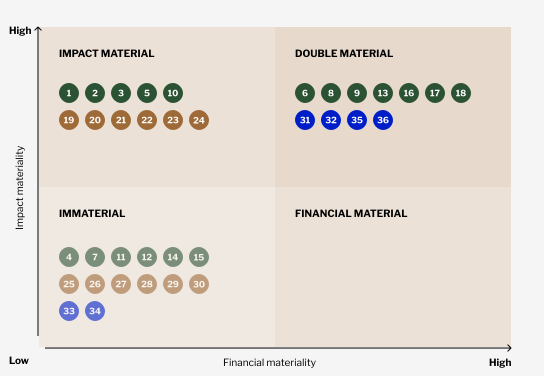
Our Double Materiality Assessment (DMA) was conducted in accordance with the Corporate Sustainability Reporting Directive (CSRD) and the requirements set out by the European Sustainability Reporting Standards (ESRS). The assessment identified the following ESG priorities as the most important material topics for us to focus on: Climate Change, Pollution, Biodiversity & Ecosystems, Resource Use and Circular Economy, Own Workforce, Workers in the Value Chain and Business Conduct.
-
Environmental sub-topicsE1 Climate change
1. Climate change adaptation
2. Climate change mitigation
3. Energy
E2 Pollution
4. Pollution of air
5. Pollution of water
6. Pollution of soil
7. Pollution of living organisms and food
8. Substances of concern
9. Substances of very high concern
10. Microplastics
E3 Water and Marine Resources
11. Water
12. Marine resources
E4 Biodiversity and Ecosystems
13. Direct impact drivers of biodiversity loss
14. Impacts on the state of species
15. Impacts on the extend and condition of ecosystems
E5 Resource Use and Circular Economy
16. Resources inflows, including resource use
17. Resources outflows related to products and services
18. Waste -
Social sub-topicsS1 Own Workforce
19. Working conditions
20. Equal treatment and opportunities for all
21. Other work-related rights
S2 Workers in the Value Chain
22. Working conditions
23. Equal treatment and opportunities for all
24. Other work-related rights
S3 Affected Communities
25. Communities economic, social and cultural rights
26. Communities civil and political rights
27. Rights of indigenous people
S4 Consumers and End-users
28. Personal safety of consumers and end-users
29. Social inclusion of consumers and end-users
30. Information-related impacts for consumers and end-users -
Governance sub-topicsG1 Business Conduct
31. Corporate culture
32. Protection of whistleblowers
33. Animal welfare
34. Political engagement and lobbying activities
35. Management of relationships with suppliers, including payment
36. Corruption and bribery
Materiality Assessments enhance ESG governance and reporting quality