Rethinking Hydrocarbon PFP: From thick layers to lean intelligence
Sustainable protection through high efficiency intumescent
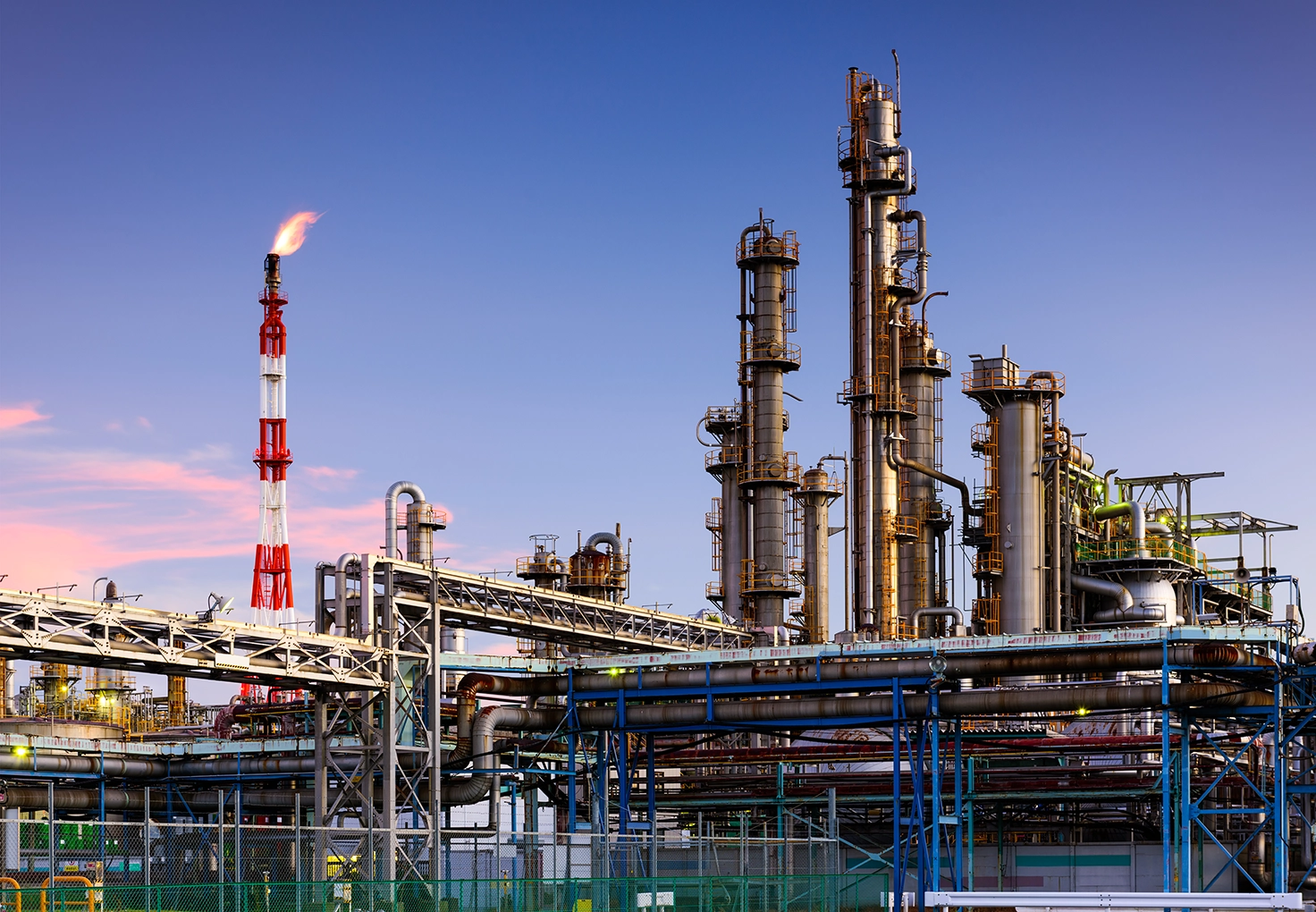

We used to judge protection by mass. But our research shows that smart formulation achieves the same safety with a fraction of the thickness. It’s coating design and proven fire performance, not bulk, that now drive effective protection.Bobu Kurian, Hydrocarbon PFP Segment Manager at Hempel A/S
This shift reduces material use, eases structural weight, and accelerates application, a combination that improves efficiency without sacrificing safety margins.
Hempafire XTR 100 was developed around this new reality. Designed for demanding hydrocarbon fire scenarios, it delivers certified protection at low DFTs while cutting application time, labour requirements, and total applied weight. Its compatibility with both stick-built and modular construction allows project teams to move coated steel sooner and keep schedules on track.

You may also be interested:
A smarter path to resilient, low-carbon infrastructure
Protection by knowing how
Hempel’s strength is not only in the chemistry of its coatings but in the practical know-how built into them. In real-world construction environments, applicator-friendly PFP can eliminate bottlenecks and create more predictable workflows.
“We hear from many contractors that hydrocarbon PFP can be difficult and time-consuming to apply,” Bobu says. “That’s exactly why we engineered Hempafire XTR 100 to be easier to work with.” XTR 100 was developed with fast output in mind. Its ability to be applied on wet-on-wet means applicators can build up the system quickly, and its curing characteristics allow coated steel to be handled sooner.
“You can sometimes achieve 2-hour thickness in a single working-day shift,” Bobu explains. “And the coated steel sections are ready to be moved the following day. Those kinds of gains make a huge difference on busy sites.” This approach reflects Hempel’s broader philosophy: design systems that deliver high fire protection without creating friction for the people applying them.
When fire protection becomes a supply-chain strategy
Selecting a hydrocarbon PFP system is increasingly a question of supply-chain reliability rather than coating chemistry alone. Hempel’s positioning as a full-portfolio, single-source supplier reduces complexity by ensuring compatibility across primers as well as intumescent layers and topcoats-areas where mismatches have historically undermined fire performance. "When all components come from one supplier, you remove a huge variable,” Bobu says. “Large-scale energy projects rely on continuity. A unified system gives you that.”
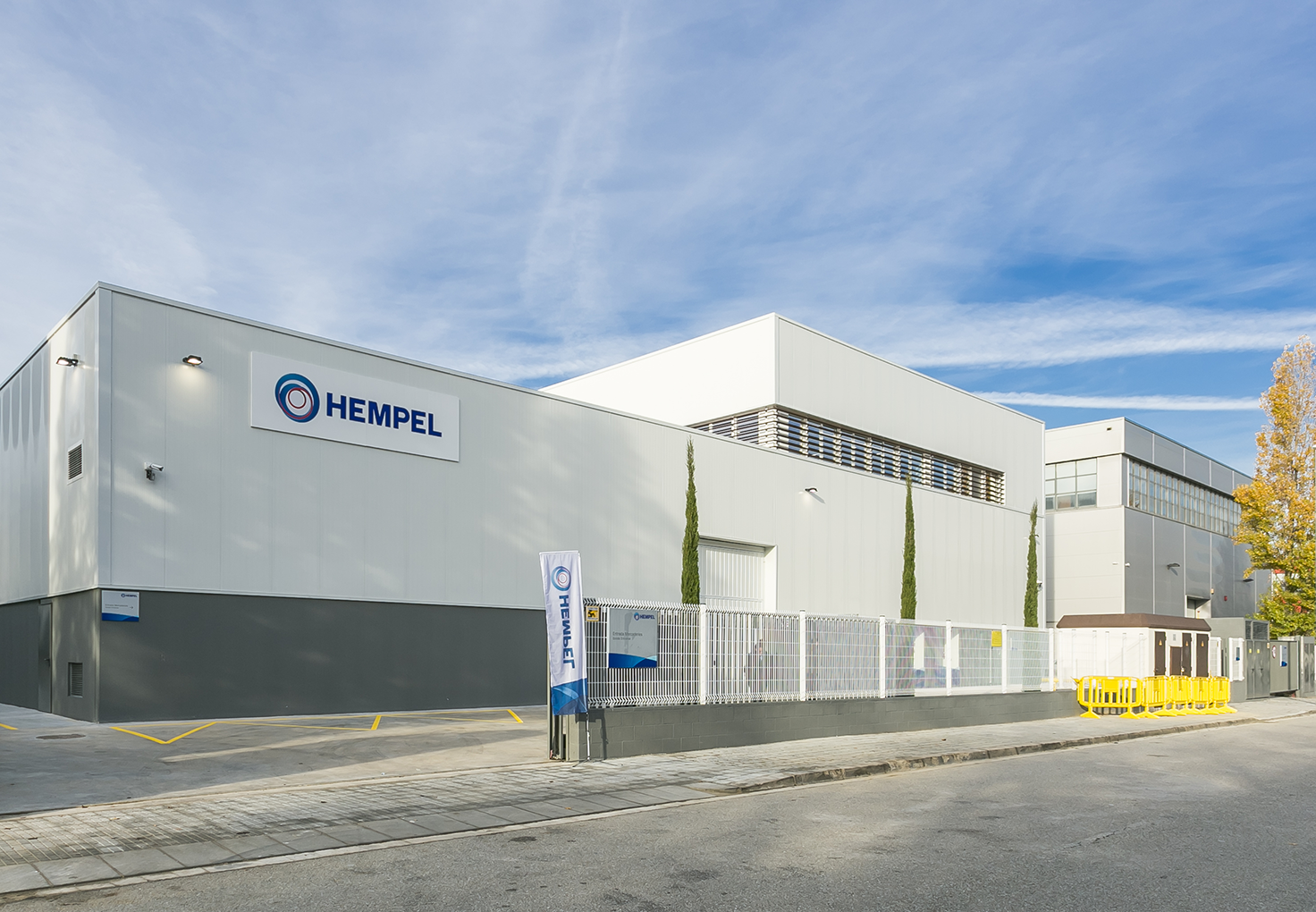
The strength of this approach is reinforced by more than a decade of dedicated PFP development and testing carried out at Hempel A/S’s 3,000 m² PFP Centre of Excellence in Barcelona. Through rigorous testing, strict quality controls, and close technical support, Hempel gives operators not just a coating, but a complete and validated fire-protection system.
Sustainability as a silent performance metric
The pressure to reduce environmental impact is reshaping how the energy and infrastructure sectors evaluate protective coatings. Hempel places sustainability at the centre of its coating strategy. High-efficiency hydrocarbon PFP reduces material consumption, lowers shipping weight, and minimises waste throughout an asset’s life. These reductions translate into tangible environmental benefits: less embodied carbon, fewer recoats, and lower long-term resource demand.
For energy and industrial operators balancing safety, compliance and decarbonisation, Hempel’s approach offers a practical way to advance all three. “When you can protect steel, simplify application, stabilise supply chains and reduce environmental impact- all in one system. That's meaningful progress and that’s where hydrocarbon PFP is heading.”
Together, these advancements position Hempel to lead the industry into a more efficient, reliable sustainable era of fire protection.